The Rohingya case gets a ruling date
The International Court of Justice is due to issue its judgment on November 19 in The Gambia’s case alleging that Myanmar violated the Genocide Convention in its treatment of the Rohingya. Bangladesh says any return must be voluntary and backed by guarantees of citizenship, safety and education, while Myanmar’s school curriculum links military service to high school lessons.
Tracking: NUG · Rohingya · Myanmar
Geography: Myanmar, Rakhine State, Bangladesh
ICJ Sets November 19 Ruling in Myanmar Rohingya Genocide Case
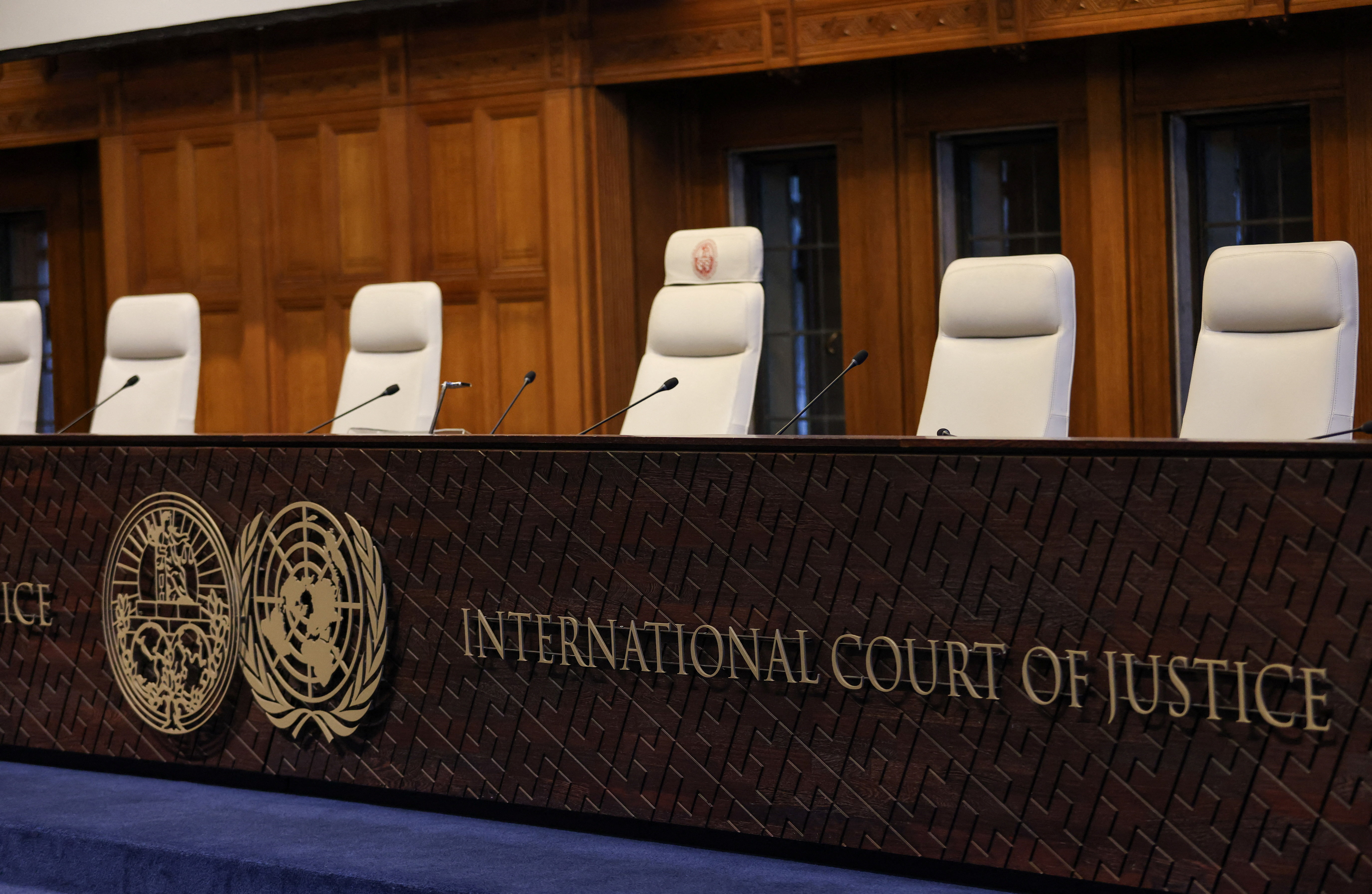
The International Court of Justice will deliver its ruling on November 19 on The Gambia’s case alleging that Myanmar violated the 1948 Genocide Convention through its treatment of the Rohingya.
The Daily Star reports that officials announced the date after seven years of proceedings. The decision will test Myanmar’s international accountability as more than one million Rohingya remain in Bangladesh.
Myanmar denies genocide and says its military operation targeted insurgents after attacks on security personnel; the ICJ cannot enforce its judgments.
The ruling comes as the Arakan Army controls large areas of Rakhine State, while Bangladesh Jamaat-e-Islami has proposed an independent Rohingya state—an idea Myanmar’s military authorities rejected.
Key facts:
Why it matters: A finding of genocide could increase pressure on Min Aung Hlaing, who commanded the military during the Rohingya crackdown and is pursuing diplomatic legitimacy after becoming civilian president following deeply restricted elections.
The ruling may also influence how legal experts assess the separate genocide case brought by South Africa against Israel. The judgment will not by itself resolve the Rohingya’s displacement or determine who governs Rakhine State.
The immediate watchpoint is how Myanmar, Bangladesh and international actors respond after November 19, particularly as the Arakan Army’s territorial gains reshape conditions for any future return.
Myanmar junta curriculum links high school lessons to military service
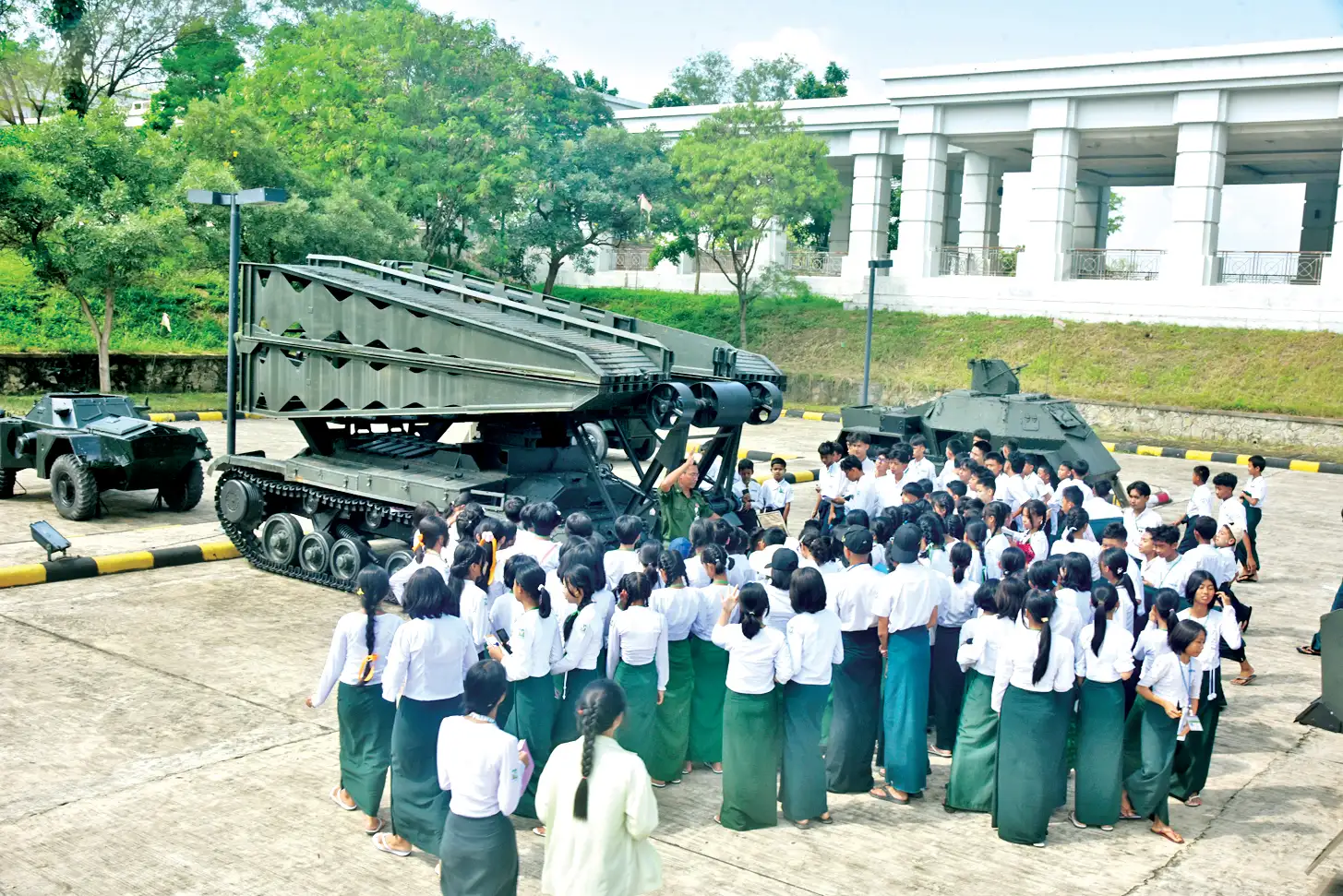
Myanmar’s military junta is using a legal education curriculum introduced last year to promote military service and warn high school students against supporting groups it opposes, critics say.
The lessons state that students must receive military training and serve in the armed forces when they turn 18, under the People’s Military Service Law, which took effect in February 2024.
The curriculum also cites Section 52a of the Counter-Terrorism Law, saying people who persuade others to join regime-designated “terrorist” groups, promote them, recruit members, shelter members or help them evade arrest can receive three to seven years in prison.
Critics say the lessons indoctrinate students and warn them against groups opposed to the regime. Its reach and effect on students remain unclear.
Key facts:
Why it matters: The curriculum places a compulsory military obligation and criminal penalties inside school lessons, reaching students before the age at which the law described applies.
That makes classrooms a channel for the junta’s legal and political messaging, while warnings about prison may raise the perceived risk of supporting opposition groups.
The key uncertainty is implementation: the article does not establish how widely schools teach the material or whether the lessons change student behavior.
Further reporting on classroom use, enforcement of the service law and students’ responses would show whether the curriculum is mainly symbolic or part of broader mobilization.
Bangladesh minister sets conditions for voluntary Rohingya return

Bangladesh Law Minister Md Asaduzzaman said Rohingya refugees must return to Myanmar voluntarily and only with guarantees of citizenship, safety and access to education.
Speaking at a national policy dialogue in Dhaka on November 8, he said Bangladesh had raised those conditions with the UN refugee agency on the sidelines of the UN General Assembly and rejected forced or internationally pressured returns as a solution.
The discussion also raised legal status, education and employment for Rohingya refugees remaining in Bangladesh.
Asaduzzaman called the proposals reasonable but said the government was weighing them against economic capacity, social conditions and security concerns; he gave no decision timetable.
Foreign Affairs State Minister Shama Obaed Islam urged sustained international engagement with Myanmar and political consensus in Bangladesh. The ministers announced no new agreement or repatriation timetable.
Key facts:
Why it matters: The ministers’ remarks keep voluntary, rights-protected return as Bangladesh’s stated position, while leaving implementation unresolved.
For refugees, legal status and access to education and work remain proposals rather than newly granted rights; for Bangladesh, any decision must be weighed against the economic, social and security concerns the law minister identified.
The next indicators are whether the government decides on those domestic arrangements, whether the national strategy draft reaches the committee or becomes public, and whether engagement with Myanmar produces conditions for return.
The dialogue produced no new repatriation schedule.
ICJ Sets November 19 for Rohingya Genocide Judgment
The International Court of Justice (ICJ) is scheduled to deliver its judgment on November 19 in The Gambia’s case against Myanmar under the Genocide Convention.
The decision concerns allegations of genocide against the Rohingya and has renewed hopes of justice among refugees, while Bangladesh continues to host more than one million Rohingyas.
The Daily Star says the ruling should lead to accountability, international action and safe, dignified repatriation—not renewed political neglect.
That pending judgment comes as the newspaper describes growing international engagement with Myanmar’s military leadership.
It points to Min Aung Hlaing’s regional visits and Malaysia’s return by sea of 1,476 Myanmar nationals in late September, despite objections from the UN and humanitarian organisations over forced repatriation.
A separate account says Navi Pillay, who served as an ad hoc ICJ judge in The Gambia v. Myanmar, was awarded the 2026 Nobel Peace Prize for promoting international law and accountability.
Key facts:
Why it matters: The November 19 ruling is the next concrete test of whether legal proceedings can counter efforts to normalise relations with Myanmar’s military leadership.
A judgment alone would not make return safe: The Daily Star says continuing insecurity and the absence of a credible rehabilitation plan remain reasons the UN and humanitarian groups oppose forced repatriation.
For Bangladesh, which hosts more than one million Rohingya refugees, the practical question is whether the ruling produces sustained international action and conditions for safe, dignified return.
The ICJ case is distinct from the Nobel recognition, but Pillay’s role connects both developments to international-law efforts to establish accountability.
ICJ to Deliver Judgment in The Gambia’s Myanmar Genocide Case
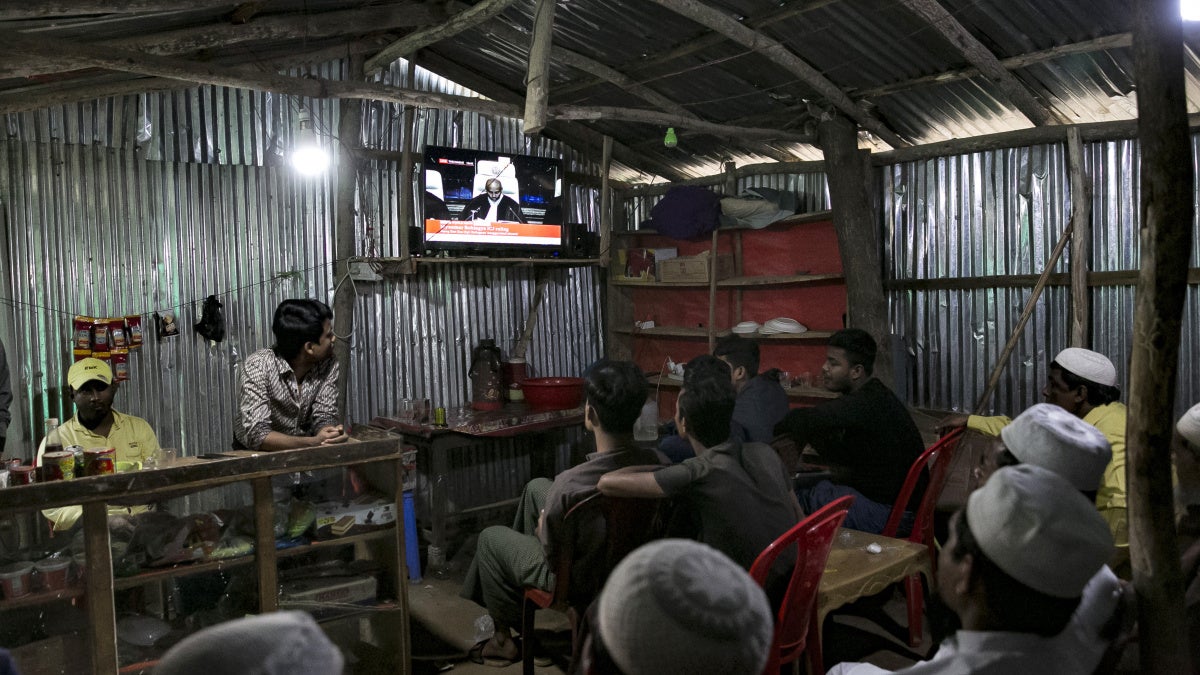
Legal Action Worldwide (LAW) says it will stand with Rohingya survivors at the International Court of Justice on 19 November 2026, when the World Court is due to deliver its judgment in The Gambia v. Myanmar genocide case.
In posts on 9 November, LAW said it had represented and supported Rohingya survivors for almost a decade, beginning with documentation of atrocities it attributes to Myanmar’s military in 2017.
The organisation described the court date as the next stage in a journey that brought survivors, their testimony and their demands for justice to The Hague.
The posts announce an upcoming legal milestone, but provide no indication of the judgment’s outcome or its possible consequences.
Key facts:
Why it matters: For Rohingya survivors and advocates, 19 November is a concrete next point in a long-running effort to bring testimony and demands for justice before the World Court.
The supplied posts establish the upcoming judgment, but not what the court will decide or what consequences may follow.
Bangladesh Calls for International Role in Rohingya Repatriation
Bangladesh’s Law, Justice and Parliamentary Affairs Minister Md Asaduzzaman said resolving the Rohingya crisis requires Myanmar to act and the international community to participate, rather than treating it as a bilateral Bangladesh-Myanmar issue.
He made the call at a Dhaka policy discussion on Sunday, according to The Financial Express and Times of Bangladesh.
Asaduzzaman said any return must be safe, voluntary, dignified and sustainable, with citizenship, security, human rights and education guaranteed in Myanmar.
He said Bangladesh had made clear that refugees should not be forcibly returned or pressured into decisions, and reported that nearly 1.2 million Rohingyas are living in Bangladesh.
The government has formed a National Strategy Formulation Committee on Rohingya Affairs and is examining possible legal status, education and employment arrangements against economic, social and security constraints.
Key facts:
Why it matters: For Rohingya refugees, the minister’s position makes return conditional on rights and security guarantees in Myanmar, rather than repatriation alone.
Bangladesh is seeking international involvement while managing the economic and security pressures of hosting nearly 1.2 million people.
The next developments to watch are the National Strategy Formulation Committee’s coordinated international approach and any government decision on legal status, education or employment arrangements inside Bangladesh.
Asaduzzaman said those measures remain under examination, not approved policy.